Cost to Insulate a House in 2026: Full Breakdown by Room and Material
"How much does it cost to insulate a house?" is one of the hardest questions to answer with a single number, because the honest answer depends on which room, which material, and what condition the space is in before work starts. This guide breaks the question down the way an actual estimate would: by area of the house, then by material, with the variables that push a price up or down along the way. Every figure here is a typical range, not a quote. Material costs, labor rates, and access differences vary by region and by the specifics of your home, so treat these numbers as a planning tool, not a guarantee.
Cost Per Square Foot by Material Type
Before getting into rooms, it helps to understand the three material families you'll be choosing between, since the same square footage can cost very different amounts depending on which one goes in.
Spray Foam
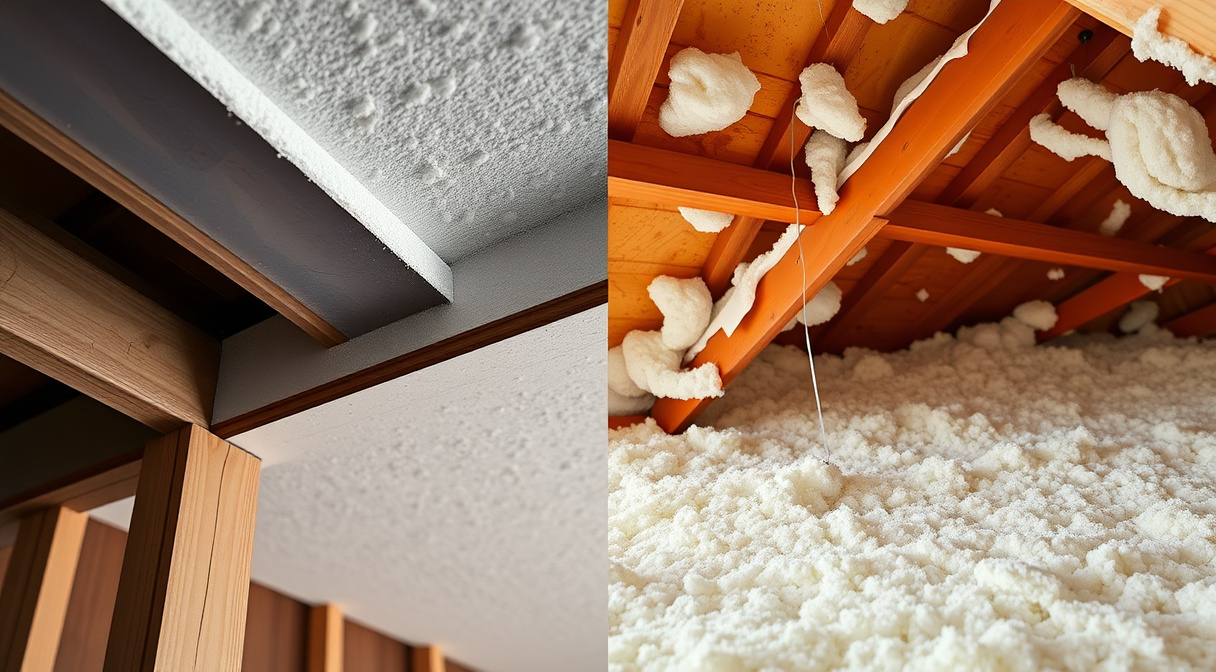
Spray foam is typically the most expensive material per square foot but delivers the highest R-value per inch and doubles as an air seal. Open-cell spray foam is generally the more affordable of the two spray foam types, while closed-cell spray foam costs more but adds rigidity, a higher R-value per inch, and better moisture resistance. As a rough planning range, spray foam commonly runs from the low single dollars per square foot on the low end up toward $7 or more per square foot for closed-cell in more demanding applications, though pricing varies significantly by region, foam type, and job complexity.
Blown-In Insulation
Blown-in cellulose or fiberglass is the workhorse material for open attics and for adding insulation into existing wall cavities without removing drywall. It's typically less expensive than spray foam per square foot and installs quickly with specialized equipment, though it doesn't provide an air seal the way spray foam does, so air leaks should be addressed separately for best results.
Batt Insulation
Fiberglass or mineral wool batts are generally the least expensive material per square foot and the most straightforward for a contractor to install in open, accessible stud or joist bays. The tradeoff is that batts depend heavily on a clean, precise installation. Gaps, compression, or an awkward fit around obstructions in the cavity can meaningfully reduce real-world performance compared to the material's rated R-value.
Attic Insulation Costs
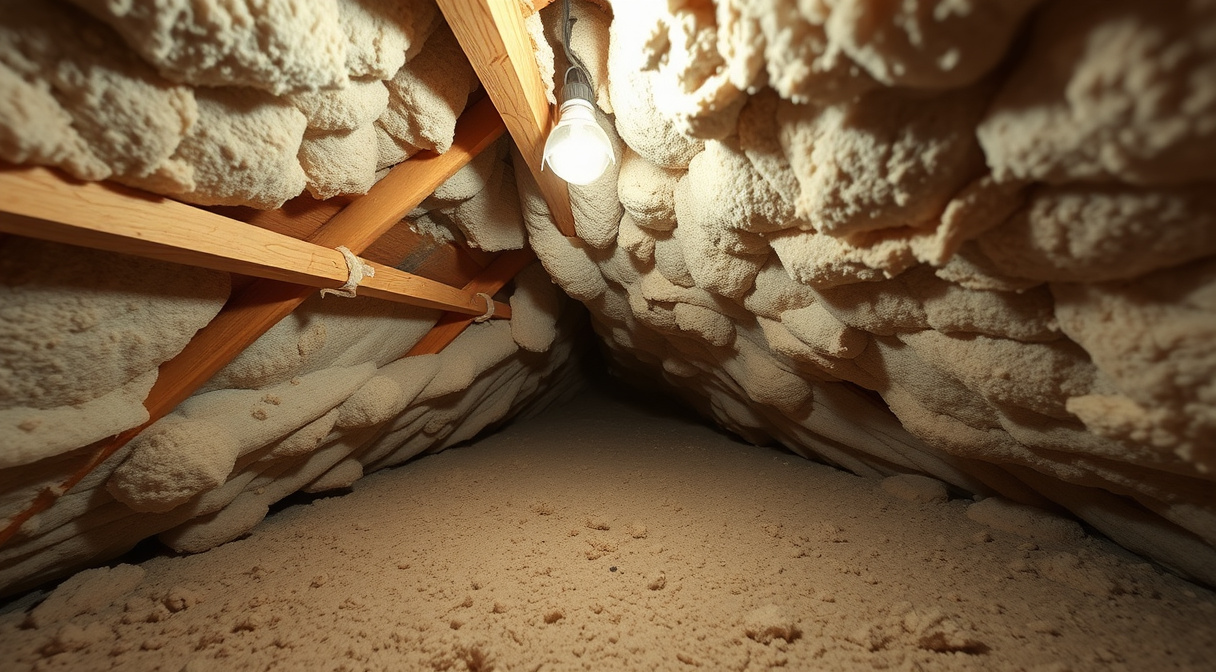
The attic is the most common starting point for a whole-house insulation project, and it's also usually the space with the widest range of pricing, because attic jobs vary so much in scope. A straightforward top-up of blown-in insulation over an already-insulated, easily accessible attic floor is on the lower end of the cost spectrum. A full attic job that includes removing old, contaminated, or compressed insulation, air sealing top plates and penetrations, and then insulating with spray foam at the roofline (to create a conditioned attic) sits at the higher end, both because of the labor involved and the material cost of foam.
Attic size, roof pitch, the number of penetrations (recessed lights, vents, chimneys), and whether knee walls are involved all affect the final number. A simple, open attic with good access will always price out lower than a cut-up attic with multiple levels and tight crawl areas.
Wall Insulation Costs
Wall insulation splits into two very different jobs. In new construction or a gut renovation where stud bays are exposed, batt insulation or spray foam can go in directly, and pricing tracks closely with the per-square-foot ranges above. In an existing finished home, wall insulation usually means blowing insulation into closed cavities through small access holes drilled from outside or inside, then patching and (if needed) repainting. This retrofit approach costs more per square foot than an open-cavity install specifically because of the extra labor for drilling, blowing, and patching, but it avoids tearing out drywall.
Crawl Space Insulation Costs
Crawl space costs depend heavily on whether you're doing a simple insulation upgrade or a full encapsulation. A basic job insulating the crawl space ceiling (the underside of the floor above) with batts or spray foam is the smaller-scope, lower-cost option. A full encapsulation, which typically includes a vapor barrier across the floor and up the walls, sealing vents, insulating the foundation walls with spray foam, and sometimes adding a dehumidifier, is a significantly larger project and priced accordingly. Crawl spaces with low clearance, standing moisture, or existing mold or pest issues that need remediation before insulation goes in will also push costs toward the higher end.
Garage and Basement Insulation Costs
Garage insulation cost depends on whether you're insulating just the walls, the walls and ceiling, or the garage door itself. An attached garage that shares a wall with living space is a common candidate for spray foam specifically because of the air sealing benefit, since garages are a major source of drafts, fumes, and temperature swings bleeding into the house. Basement insulation follows a similar logic to crawl spaces: insulating just the rim joists and band area is a smaller, targeted job, while insulating full foundation walls is a bigger scope with a correspondingly higher cost.
Whole-House Insulation Costs
A whole-house project that touches the attic, walls, crawl space or basement, and garage in one coordinated job is where the biggest numbers show up, simply because it's the sum of every area above. The advantage of doing it as one project rather than piecemeal over several years is usually better pricing on labor and mobilization (the contractor is on site once instead of four separate times) and a more consistent result, since every part of the envelope gets brought up to a similar standard at the same time instead of leaving weak links between upgraded and un-upgraded areas.
What Pushes Cost Up or Down
- Accessibility: tight crawl spaces, cut-up attics, and finished walls all add labor time compared to open, easy-to-reach areas.
- Removal of old insulation: pulling out old, wet, compressed, or contaminated insulation before new material goes in adds both labor and disposal cost.
- Material choice: spray foam costs more upfront than batt or blown-in but often needs less material thickness to hit the same R-value and adds air sealing at the same time.
- Air sealing scope: the more penetrations, gaps, and leaks that need to be sealed before insulating, the more labor time the job takes.
- Square footage and ceiling height: larger areas and taller spaces simply require more material and more time.
- Local labor rates and material availability, which vary significantly by region.
A Note on Tax Credits and Rebates
If you've read that insulation upgrades qualify for a federal tax credit, that's out of date for 2026 planning purposes: the federal 25C and 25D residential energy credits expired December 31, 2025, and are no longer available for new projects. That doesn't mean there's no financial help available. State energy offices, local utility companies, and some municipal programs periodically run their own rebate or incentive programs for insulation and air sealing upgrades, and these vary widely depending on where you live. Since this guide serves homeowners nationwide, we can't tell you what's currently active in your specific area, but it's worth a direct check with your state energy office or your electric or gas utility before you finalize a project, since a local rebate can meaningfully change your net cost.
Every one of these numbers is a starting point for a conversation, not a quote for your specific house. The only way to get an accurate cost is a real assessment of your attic, walls, crawl space, or garage, the material that makes sense for the space, and the condition of what's already there. Call 844-967-5247 or email josh@contractorschoiceagency.com to talk through your project and get a straightforward estimate.
Frequently asked questions
Not always. Spray foam makes the most sense where air sealing matters as much as R-value, like rim joists, garages, and roofline attics, or where space is limited and you need maximum R-value per inch. For open, easily accessible attic floors, blown-in insulation often delivers strong performance at a lower cost.
It adds some cost, but the amount depends on the material and condition. Removing dry, uncontaminated batt insulation is relatively quick. Removing old insulation that's wet, compressed, or has pest or mold contamination takes longer and may require additional cleanup or remediation, which adds more to the total.
Both approaches work. Doing it all at once is often more cost-efficient because of shared labor and mobilization costs, and it avoids leaving weak spots in the building envelope. Room by room is a reasonable approach if budget requires spreading the project out, ideally starting with whichever area an assessment identifies as the biggest source of loss.
Ready for a free quote?
Tell us about your home and we'll build a clear quote — rebates included.