Crawl Space Insulation, Moisture, and Mold: What Every Homeowner Should Know
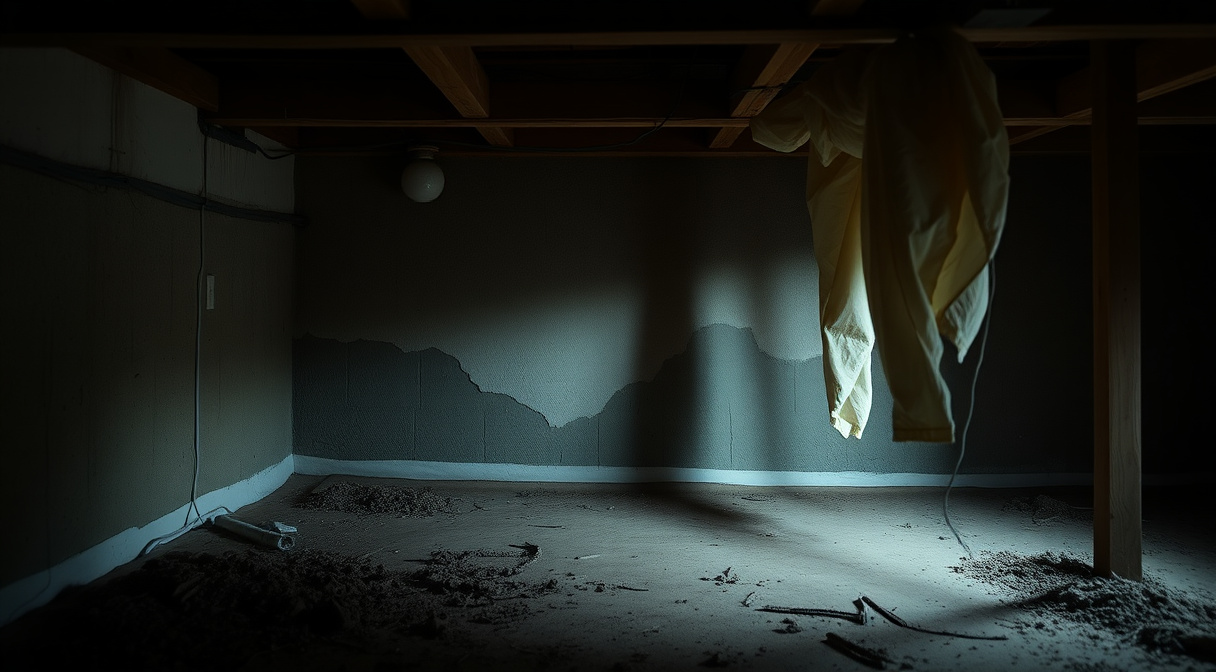
Of all the spaces in a home, the crawl space is probably the one homeowners think about the least — until something forces the issue. A musty smell coming up through the floor vents, a spike in humidity on the main level, or a home inspection report flagging visible mold are usually the first signs that something has gone wrong underneath the house. By the time any of those show up, the crawl space has often had a moisture problem for a long time.
This guide covers how moisture actually gets into a crawl space, why traditional fiberglass batt insulation tends to fail there, what a vapor barrier and encapsulation actually do, and when it makes sense to pair insulation with a real moisture-control strategy instead of treating them as separate projects.
How Moisture Gets Into a Crawl Space
Crawl spaces sit close to or below grade, which puts them in direct contact with some of the most persistent moisture sources around a house. Soil naturally holds moisture, and that moisture evaporates upward into the crawl space air over time — a process that continues year-round regardless of the weather outside. Beyond that baseline soil moisture, crawl spaces commonly take on additional water from grading that slopes toward the foundation instead of away from it, gutters that discharge too close to the house, plumbing leaks in pipes that often run through the crawl space, and humid outside air that enters through vents and condenses on cooler surfaces inside.
Traditional vented crawl spaces were designed on the assumption that outside air moving through vents would keep the space dry. In practice, this often backfires: in humid conditions, the vented outside air can actually raise the moisture level inside the crawl space rather than lowering it, especially when that warm, humid air hits the cooler surfaces of a shaded, below-grade space and condenses into liquid water on framing, ductwork, and insulation.
Why Fiberglass Batts Fail in Crawl Spaces
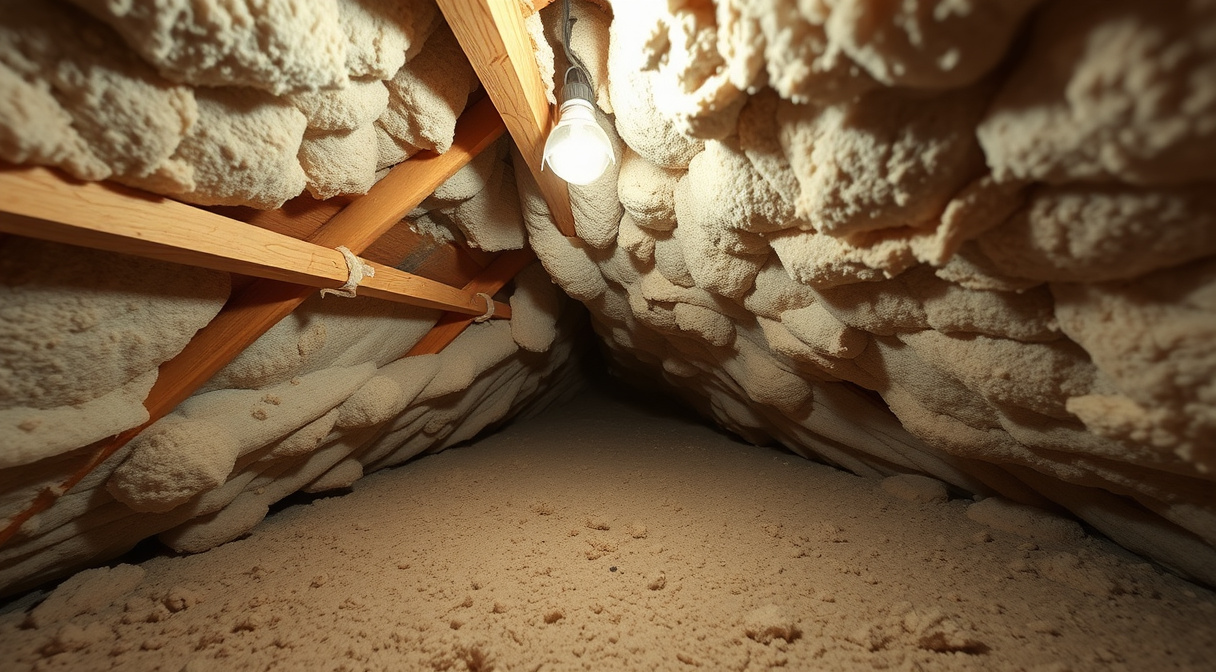
Fiberglass batt insulation was, for decades, the default choice for crawl space floors — installed between the joists with the paper or foil facing pointed toward the heated space above. The problem is that fiberglass batts are essentially engineered to hold still air, and they're not particularly good at resisting or shedding moisture once it's introduced.
- Batts absorb ambient moisture from the humid crawl space air over time, even without a direct leak.
- Once wet, fiberglass loses a significant portion of its R-value, because the trapped air pockets that create insulating performance get displaced by water.
- Wet batts sagging out of the joist bays are extremely common — gravity pulls them down once they're waterlogged, and once they sag, gaps open up above them that undercut whatever insulating value remains.
- The paper or kraft facing on batts is an organic material — exactly the kind of surface mold needs to establish and spread, especially in the dark, poorly ventilated, consistently humid environment a crawl space provides.
The Mold Connection
Mold needs three things to grow: a food source, moisture, and a lack of airflow to dry things back out. A crawl space with wet fiberglass batts, exposed dirt flooring, and limited ventilation checks all three boxes simultaneously. The organic facing on batt insulation, wood framing, and subfloor sheathing all provide a food source; ground moisture and condensation provide the water; and the tight, low-airflow nature of most crawl spaces means moisture that gets in has nowhere to go and no reason to dry out quickly.
Once mold establishes itself in a crawl space, it doesn't stay contained down there. Crawl space air moves upward into the living space above through a phenomenon commonly called the "stack effect" — warm air rising through the house pulls air up from below, including from the crawl space, through gaps in the subfloor, around plumbing penetrations, and through HVAC ductwork that often runs through that same space. That means crawl space mold and moisture issues can directly affect indoor air quality on the floors above, not just the structural wood down below.
What a Vapor Barrier Actually Does
A vapor barrier is a heavy-duty plastic sheeting, typically 6-mil to 20-mil depending on the product and application, installed across the crawl space's dirt floor (and often partway up the foundation walls). Its job is simple but important: stop the constant, low-level evaporation of ground moisture from ever entering the crawl space air in the first place. Since soil moisture evaporation is one of the largest and most persistent moisture sources in a crawl space, a properly sealed vapor barrier addresses a huge share of the problem at its source, rather than trying to manage the humidity after it's already in the air.
What Encapsulation Adds on Top of a Vapor Barrier
Full crawl space encapsulation takes the vapor barrier concept further, treating the crawl space as a sealed, semi-conditioned part of the building envelope rather than an outside-air-connected void. A typical encapsulation approach includes sealing the ground and foundation walls with heavy vapor barrier material, sealing or closing foundation vents, air-sealing the rim joist area, and often adding a dehumidifier or conditioned air supply to actively manage humidity levels inside the sealed space. This is a different philosophy from the traditional vented-crawl-space approach, and it's become increasingly common because it directly addresses the moisture-in, no-way-out cycle that drives most crawl space mold problems.
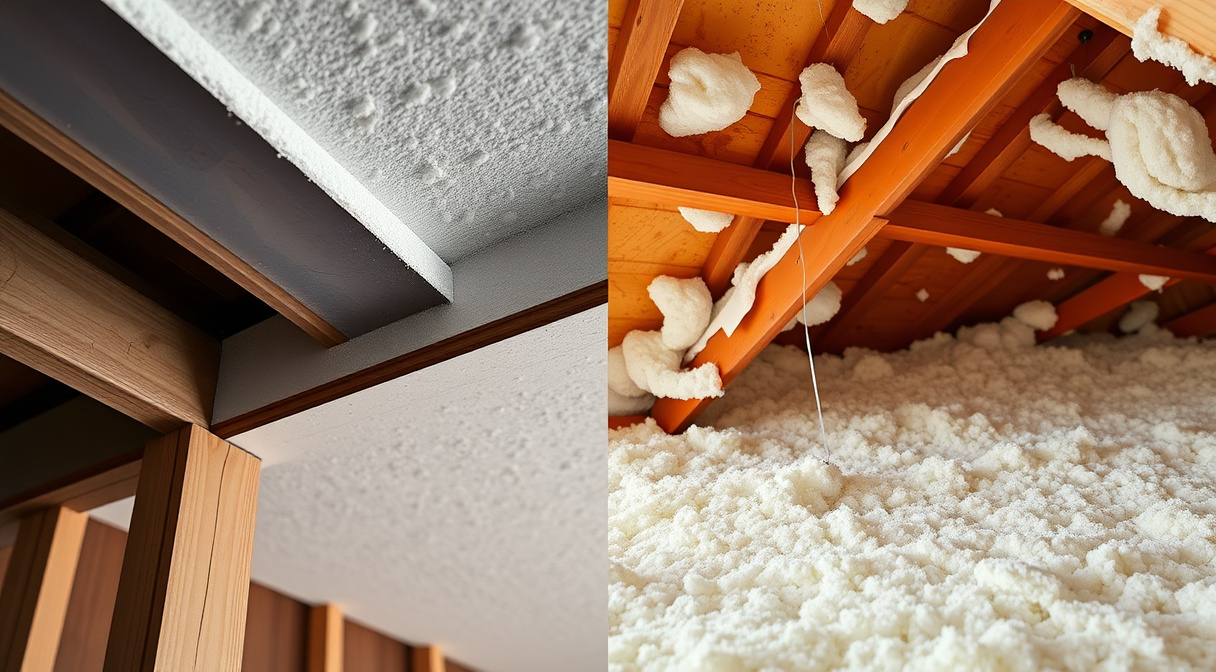
Insulation and encapsulation work together rather than as substitutes for each other. In an encapsulated crawl space, insulation is typically applied to the foundation walls (closed-cell spray foam is a common choice here, since it resists moisture absorption) rather than the floor joists above, which shifts the thermal and moisture boundary down to the foundation perimeter instead of the subfloor.
Rodents and Pest Risk
A damp, dark crawl space with sagging, torn batt insulation is also an attractive nesting environment for rodents. Loose, disturbed insulation gives pests both nesting material and easy tunneling access, and once they're established, they compound the moisture and air-quality problems by adding droppings, urine, and further insulation damage to an already struggling space. A tightly sealed, encapsulated crawl space with rigid foam insulation on the walls closes off far more of the entry points and nesting opportunities that loose batts and open vents provide.
When to Pair Insulation With a Moisture-Control Approach
If your crawl space has any combination of visible dampness, musty odors, sagging or discolored batts, standing water after rain, or a history of pest activity, insulation alone is not the fix — replacing wet batts with new batts in the same uncontrolled-moisture environment just restarts the same failure cycle. In those cases, a vapor barrier and, in many homes, full encapsulation should be evaluated alongside any insulation upgrade, so the new material is going into a space that's actually capable of staying dry.
- Visible mold, staining, or a persistent musty smell: address moisture and mold remediation before or alongside any new insulation.
- Standing water or consistent dampness after rain: a vapor barrier and drainage assessment should come first.
- Sagging or torn batts, even without obvious mold: treat as a sign the existing approach has already failed once.
- Dry crawl space with intact, functioning insulation: routine inspection and monitoring may be all that's needed for now.
Get a Crawl Space Assessment
A crawl space problem rarely stays a crawl space problem for long — moisture and mold work their way up into the parts of the house you actually live in. If you're dealing with dampness, odors, or failing insulation underneath your home, call us at 844-967-5247 or email josh@contractorschoiceagency.com to get a clear assessment of what's happening down there and what it will take to fix it correctly.
Frequently asked questions
Not always, but it depends on your specific crawl space and how it's sealed. A vapor barrier addresses ground moisture evaporation, which is often the largest single moisture source, but if the space still has significant vented outside-air exchange or other moisture entry points, a dehumidifier can be a useful addition to fully control humidity levels inside a sealed crawl space.
If batts are dry, intact, and simply drooping from age or installation issues, re-securing may be enough. If there's any visible mold, water staining, a musty odor, or the material is torn, matted, or has been sitting in a damp environment for an extended period, replacement is generally the safer and more effective route, since compromised insulation rarely regains its original performance.
Ready for a free quote?
Tell us about your home and we'll build a clear quote — rebates included.