How to Insulate a Shipping Container: The Complete CONEX Conversion Guide

"CONEX" is short for Container Express, a term that goes back to a military steel shipping container system, and it's stuck around as shorthand for the standard corrugated steel shipping containers now being converted into homes, offices, studios, and storage buildings all over the country. Every one of those conversions runs into the exact same problem on day one: the container is a sealed steel box with zero built-in insulation, and steel is one of the worst possible materials to leave exposed to interior air. This guide covers what actually happens to bare steel, the three real methods available to fix it, honest cost ranges, and a decision framework for picking the right one for your project.
Why Bare Steel Is a Problem, Not Just a Discomfort
A shipping container's corrugated steel walls have an R-value of essentially zero. Steel is a highly conductive material, meaning heat moves through it almost as fast as the outside temperature changes. On a hot afternoon, an uninsulated container's interior can climb well past outdoor temperatures. On a cold night, it drops just as fast. There's no thermal mass or resistance in the wall assembly to slow any of it down.
The bigger issue is condensation. Warm, moist interior air constantly meets cold steel, and when it does, it condenses directly on the interior wall surface, a phenomenon often called "container rain" or "sweating." This isn't occasional; it happens every time there's a meaningful temperature swing between the inside air and the steel, which in most climates is a daily occurrence. Left untreated, that condensation sits on bare steel and does exactly what water on steel always does: it drives rust from the inside out, and it creates a persistent moisture source for mold growth on anything stored, framed, or finished nearby. For a container being converted into livable or workable space, an unaddressed condensation problem will eventually damage both the structure and anything inside it.
The Three Real Insulation Methods
There are three approaches used across the container conversion industry. They differ in cost, interior space lost, thermal performance, and how well they handle moisture, which is the variable that matters most in a steel box.
1. Closed-Cell Spray Foam (Recommended)
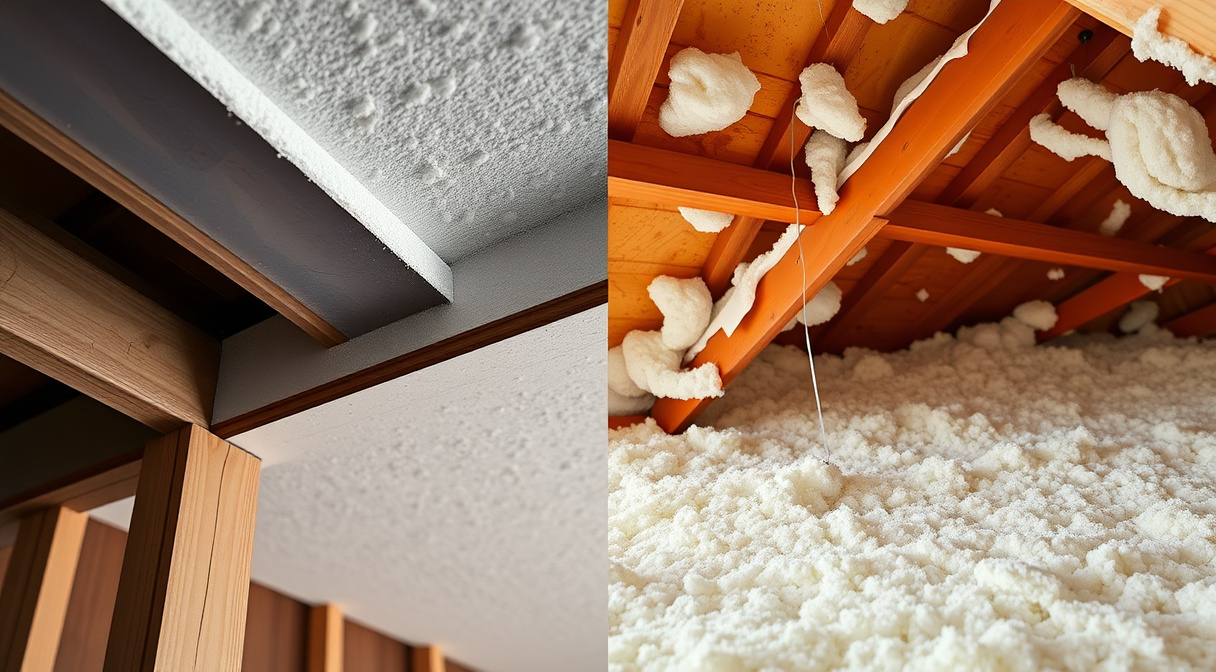
Closed-cell spray foam is sprayed directly onto the interior corrugated steel, where it expands and bonds tightly to every ridge and seam of the panel. Because it adheres directly to the metal with no gap, it does two jobs at once: it insulates, and it acts as a continuous vapor barrier, which is exactly what a steel structure needs to stop condensation at the source rather than manage it after the fact. Closed-cell foam also adds meaningful structural rigidity to the wall assembly and resists moisture absorption even if it does get wet, which makes it the most forgiving option in a box that's inherently prone to sweating.
This is why closed-cell spray foam is the method most consistently recommended across the container conversion industry, from container home builders to cargo and cold-chain conversion specialists. It follows the corrugated profile without furring strips, so it doesn't eat significant interior space, and it seals the thousands of small gaps and seams in a container's structure that other methods simply can't reach.
2. Rigid Panel Insulation Kits
Rigid foam board (typically polyisocyanurate or XPS panels) is another common approach, usually sold as a kit designed to fit standard container dimensions. The panels get fastened to furring strips or battens that are attached to the container walls, creating a framed-out cavity that the rigid board sits inside.
The tradeoff is built into the installation method itself. Furring strips take up interior space, which matters in a container where every inch of width counts. More importantly, the seams between rigid panels and the gaps around every furring strip create thermal bridging points, small paths where heat (and condensation risk) can bypass the insulation layer at every seam and every strip. Careful taping and sealing at each seam helps, but it adds labor and never fully replicates the seamless, gap-free bond that spray foam achieves against the corrugated steel.
3. Batt or Blanket Insulation in a Stud Frame
The third approach is to build a conventional stud frame inside the container and fill the cavities with fiberglass or mineral wool batt insulation, essentially treating the container's interior like a standard house wall. This is typically the cheapest of the three methods upfront, using familiar materials and standard framing labor.
It's also the weakest option for vapor control. Batt insulation has no vapor-barrier properties of its own, and unless a separate vapor barrier is installed correctly against the steel (which is easy to get wrong and easy to damage during framing), warm interior air can still reach the cold steel behind the batts and condense there, hidden inside the wall cavity where it won't be visible until rust or mold has already taken hold. Batts also do nothing to address the small structural gaps and seams in the container itself, since they only insulate the framed cavity, not the steel-to-frame interface.
R-Value Per Inch: How the Methods Compare
- Closed-cell spray foam: roughly R-6 to R-7 per inch, with an integrated vapor barrier included in the same application.
- Rigid foam board (polyiso/XPS): roughly R-5 to R-6.5 per inch for the board itself, reduced in real-world performance by thermal bridging at seams and furring strips.
- Fiberglass or mineral wool batt: roughly R-3 to R-3.8 per inch, with no vapor barrier unless one is added and installed correctly as a separate step.
Per-inch R-value understates the practical gap between these methods, because it doesn't capture thermal bridging or vapor control. A wall insulated with batts and rated at a certain R-value on paper can underperform that number significantly in a container specifically because of gaps at the steel-to-frame connection that batts alone can't seal.
Cost Per Square Foot and Per Container
Costs vary by region, labor rates, container condition, and project scope, so treat the following as typical planning ranges rather than a quote for your project. Closed-cell spray foam generally runs higher per square foot than batt insulation and is often comparable to or somewhat higher than a full rigid panel kit once labor for both materials is accounted for, though spray foam's combined insulation-plus-vapor-barrier application can offset some of that gap in total project cost since it eliminates a separate vapor barrier step.
For a standard 40-foot high-cube container, a full interior closed-cell spray foam application (walls, ceiling, and floor area as needed) is typically a multi-thousand-dollar project once labor and material are included, with the final number depending heavily on container condition, whether framing or finish work is bundled into the same job, and regional labor rates. Rigid panel kits and batt-and-frame approaches can come in lower on material cost, but batt-and-frame in particular often costs more than expected once separate framing labor, a properly installed vapor barrier, and finish work are added on top of the insulation itself.
Matching the Method to the Use Case
Container Homes
For full-time or part-time living space, vapor control isn't optional, and neither is maximizing usable interior square footage in a structure that's already narrow. Closed-cell spray foam is the standard choice here for exactly those two reasons: it stops condensation at the steel and doesn't require furring strips that shrink an already-tight floor plan.
Container Offices and Studios
Work and creative spaces need stable temperatures and, often, sound control, since steel also transmits noise readily. Closed-cell spray foam's combination of thermal performance, air sealing, and the added mass it brings to the wall assembly makes it a strong fit here too, particularly for spaces that will run climate control regularly and can't tolerate condensation dripping onto equipment or finishes.
Cargo and Cold-Chain Storage
Containers used for temperature-sensitive storage, whether that's general cargo protection from extreme heat or cold-chain applications, live and die on consistent internal temperature and zero moisture intrusion. Closed-cell spray foam's vapor-barrier properties are especially valuable here, since condensation inside a storage container can damage goods just as easily as it damages a home's framing.
Which Method Should You Choose? A Decision Framework
If you're insulating a container that will be lived in, worked in, or used to store anything moisture-sensitive, and you want the best available protection against condensation while keeping as much interior space as possible, closed-cell spray foam is the method the conversion industry consistently points to, and for good reason: it's the only one of the three that combines insulation and vapor barrier into a single, seamless application directly on the steel.
If interior space is less of a constraint and you're comfortable managing seam sealing carefully, a rigid panel kit can be a reasonable middle-ground choice, particularly for projects where a DIY-friendly, kit-based approach is a priority. Just go in aware that thermal bridging at every seam and furring strip is a real, measurable performance loss compared to spray foam, not a minor technicality.
Batt and frame insulation makes the most sense for lower-budget projects, temporary structures, or applications where the container won't see heavy climate swings or extended occupancy, and where a separate, correctly installed vapor barrier is genuinely part of the plan rather than an afterthought. For anything long-term or livable, it's the option most likely to cause hidden problems down the road.
Whatever direction fits your project, the conversation is easier with someone who's actually sprayed the inside of a container before. Call 844-967-5247 or email josh@contractorschoiceagency.com to talk through your CONEX conversion, whether it's a home, an office, or a storage build.
Frequently asked questions
Closed-cell spray foam is generally considered the best option because it bonds directly to the corrugated steel, delivers a high R-value per inch, and acts as an integrated vapor barrier that stops condensation at the source. Rigid panels and batt insulation are usable alternatives but come with more thermal bridging and weaker vapor control.
Yes. Bare steel has essentially zero R-value and will condense moisture on the interior surface every time there's a meaningful temperature swing between inside air and outdoor conditions, which happens daily in most climates. Without insulation and a vapor barrier, a container home will be uncomfortable and prone to rust and mold over time.
It varies by region, labor rates, and container condition, but a full closed-cell spray foam application on a 40-foot container is typically a multi-thousand-dollar project once material and labor are included. Getting a project-specific quote is the only way to know your real number, since condition and scope swing the price significantly.
The most effective fix is a continuous vapor barrier directly against the interior steel, which is exactly what closed-cell spray foam provides in the same step as insulating. Ventilation and dehumidification can help manage moisture in an already-insulated container, but they don't replace a proper vapor barrier at the steel itself.
Ready for a free quote?
Tell us about your home and we'll build a clear quote — rebates included.