7 Signs Your Attic Insulation Has Failed (And What to Do About It)
Most homeowners never actually go up into their attic. It's dark, it's cramped, and unless something is actively leaking through the ceiling, there's no obvious reason to check. That's exactly why attic insulation problems tend to go unnoticed for years — they don't announce themselves with a burst pipe or a tripped breaker. Instead, they show up gradually: a slightly higher power bill here, a room that never quite feels right there. By the time most people notice, the insulation has often been underperforming for a long time.
Here are seven signs that your attic insulation has failed, is failing, or was never adequate to begin with — plus what each one actually tells you about what's going on above your ceiling.
1. You Can See the Joists
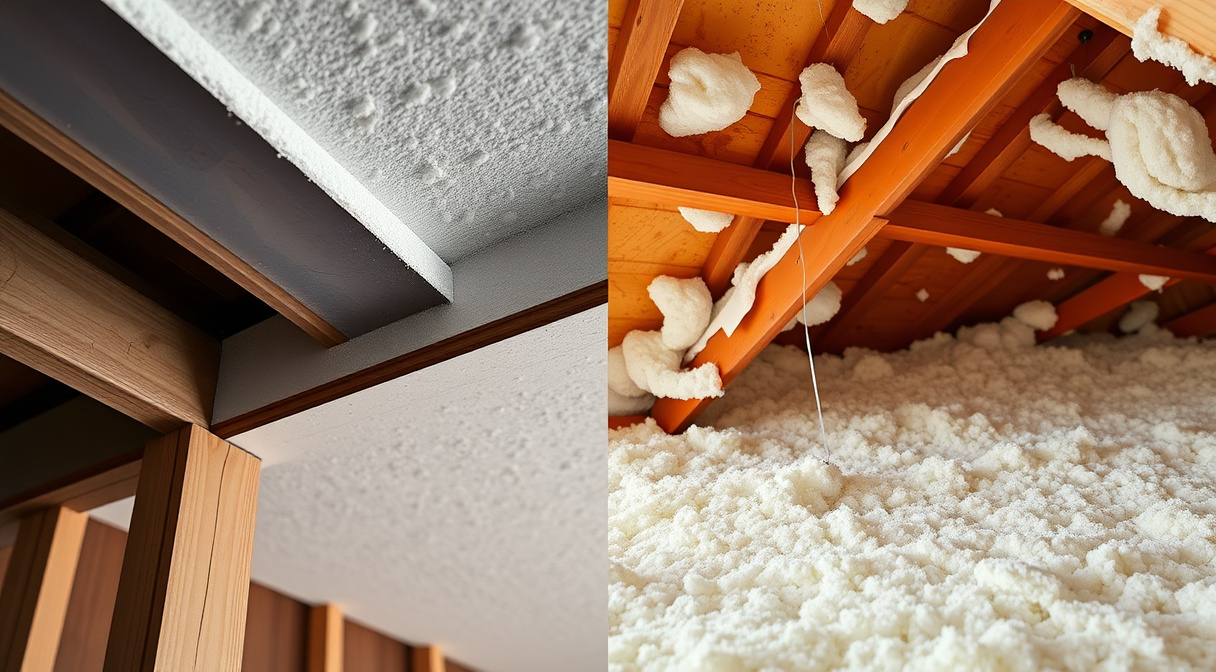
If you go up into your attic and can clearly see the tops of the ceiling joists poking up through the insulation, that's one of the clearest visual red flags there is. Properly installed blown-in insulation should bury the joists completely, forming an even blanket across the entire attic floor. When the joists are visible, it usually means the insulation depth has either settled well below its original installed level, was under-installed from the start, or has shifted and thinned unevenly over time.
2. The Depth Is Uneven Across the Attic
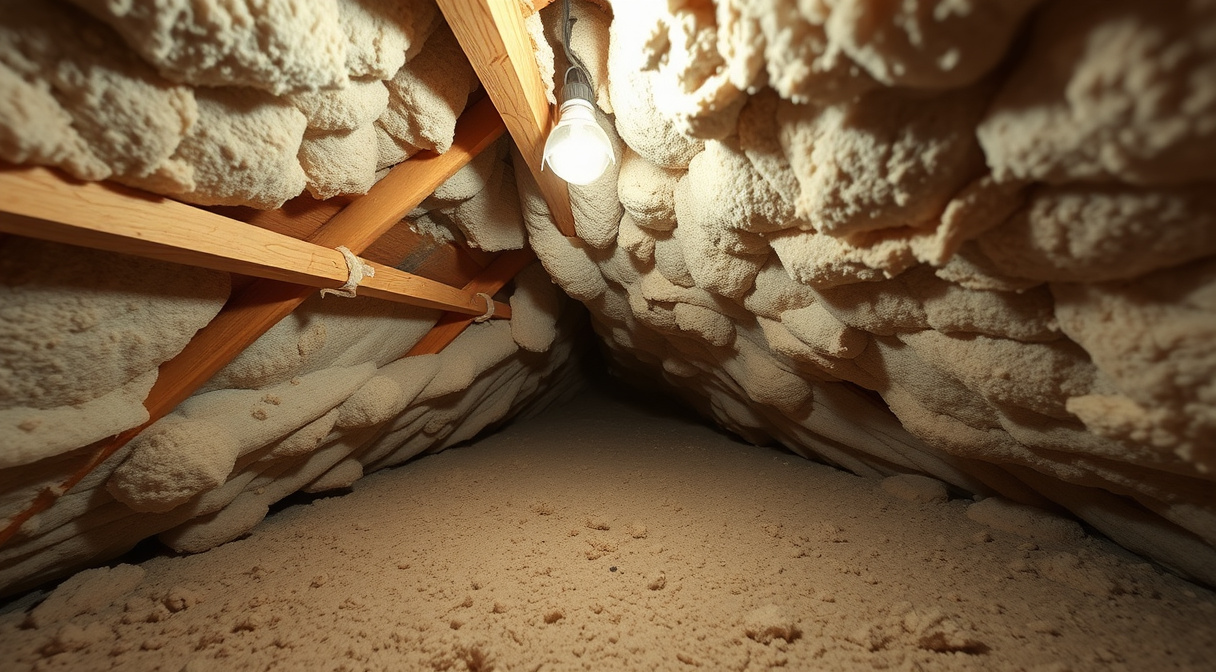
Walk the length of your attic (on the joists or a plank, never directly on the ceiling drywall) and look at the insulation depth in different spots. A healthy attic should have roughly consistent depth throughout, aside from normal buildup near the edges. Deep in some spots and nearly bare in others is a sign of wind-washing near soffit vents, past disturbance from attic work or storage, or animal activity pushing material around. Uneven depth means uneven R-value — the thin spots are essentially holes in your thermal envelope even if the rest of the attic looks fine.
3. The Material Is Compressed or Matted
Insulation works by trapping still air in millions of small pockets between fibers. When that material gets compressed — from foot traffic, stored boxes, HVAC equipment work, or just the weight of dense cellulose settling over the years — those air pockets collapse, and the R-value drops even though the material is technically still there. Matted, flattened, or visibly packed-down insulation isn't doing the job it was installed to do, even if it looks like a reasonable amount of material at first glance.
4. There Are Water Stains or Damp, Discolored Patches
Brown or yellow staining on the insulation, dark discoloration, or a musty smell in the attic usually points to a past or ongoing moisture source — a roof leak, ice damming, condensation from poor ventilation, or a plumbing vent issue. Wet insulation loses R-value immediately and, if it stays damp, becomes a real mold risk. Any water staining should be treated as two separate problems: find and fix the moisture source first, then assess whether the affected insulation needs to be replaced.
5. Signs of Rodent or Pest Activity
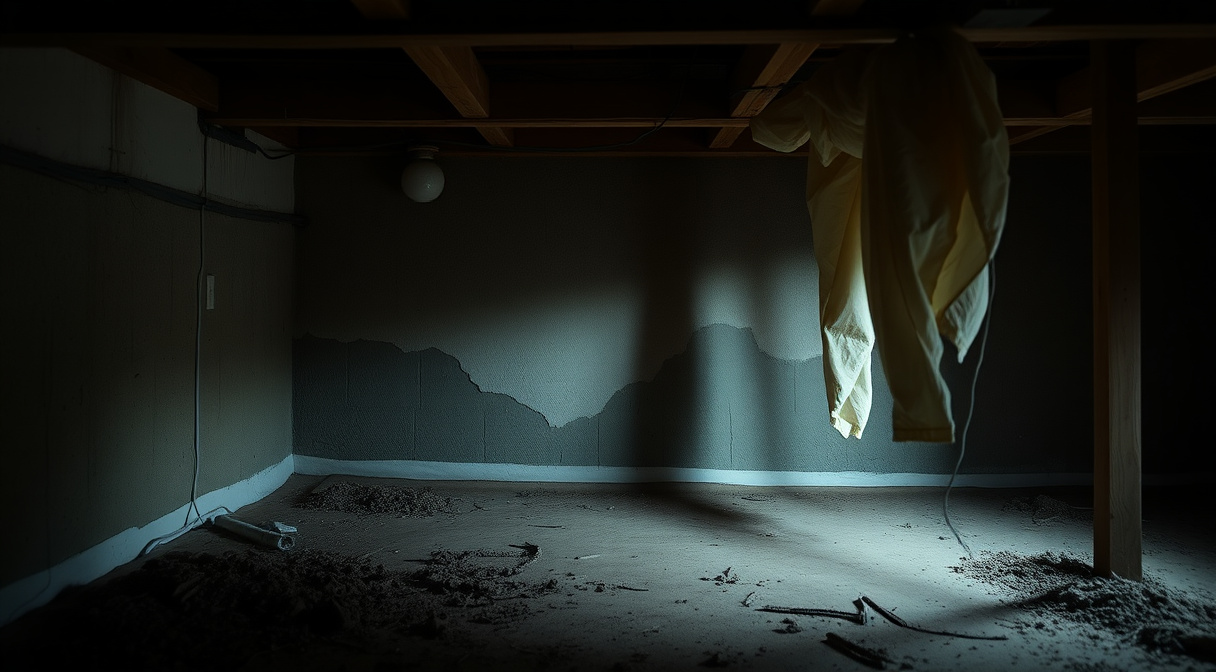
Tunnels, flattened trails, nesting material, droppings, or a strong ammonia-like odor in the attic all point to rodents having taken up residence in the insulation layer. Beyond the health and cleanliness concerns, rodents physically displace and compress insulation as they tunnel and nest, creating thin spots and gaps that undercut your attic's overall performance — on top of whatever damage they're doing to wiring and ductwork while they're up there.
6. Energy Bills That Keep Climbing
If your heating and cooling bills have crept up over the past few years without an obvious explanation — no rate hikes, no equipment changes, no shift in how you use the house — degraded attic insulation is one of the most common culprits. Your HVAC system has to work harder to maintain temperature when the attic is leaking conditioned air or losing heat through thinned insulation, and that shows up as a slow, steady increase on the utility bill rather than a dramatic spike.
7. Uneven Temperatures Between Floors or Rooms
A second floor that's noticeably hotter in summer or colder in winter than the rest of the house, or specific rooms directly under the attic that never quite match the thermostat setting, are classic symptoms of insulation and air-sealing problems overhead. Heat rises, and an attic that isn't doing its job lets that heat escape in winter and lets attic heat radiate down into the living space in summer — creating exactly the kind of floor-to-floor temperature swing that makes a house uncomfortable no matter how the HVAC system is set.
What to Do If You Recognize These Signs
If one or more of these signs sounds familiar, the right next step is a proper attic inspection — not guessing at a fix from the ground floor. A qualified contractor can measure actual insulation depth against what your climate zone calls for, check for air-sealing gaps at penetrations and the attic hatch, and identify whether the fix is a straightforward top-up, a full removal-and-replace (common after water damage or heavy pest activity), or an air-sealing pass that should happen before any new insulation goes in.
- Don't add new insulation over wet or contaminated material — address the moisture or pest issue first.
- Get the actual depth measured rather than eyeballing it; R-value is depth-dependent and easy to misjudge by sight.
- Ask whether air sealing is included — topping off insulation over unsealed leaks limits how much improvement you'll actually see.
- If ice dams, rodent activity, or water staining are present, treat those as separate problems to solve alongside the insulation itself.
Get an Attic Assessment
Attic insulation problems rarely fix themselves, and every season they go unaddressed is another season of higher bills and unnecessary strain on your HVAC system. If any of these signs sound familiar in your own attic, call us at 844-967-5247 or email josh@contractorschoiceagency.com to schedule an assessment and get a clear, honest read on what's actually happening above your ceiling.
Frequently asked questions
A general rule of thumb is every few years, or any time you notice a change in energy bills, comfort, or after any event that could have disturbed the attic — a roof leak, pest activity, or work done by HVAC or electrical contractors who may have had to move through the attic space.
In many cases, yes — topping off existing insulation with additional material is a common and cost-effective fix, as long as the existing insulation is dry, uncontaminated, and free of pest activity. If there's water damage, mold, or heavy rodent nesting, that material typically needs to be removed rather than built on top of.
Ready for a free quote?
Tell us about your home and we'll build a clear quote — rebates included.