Crawl Space Insulation
A vented, under-insulated crawlspace is one of the most common sources of moisture, mold, and cold-floor complaints in a house — and one of the most overlooked.
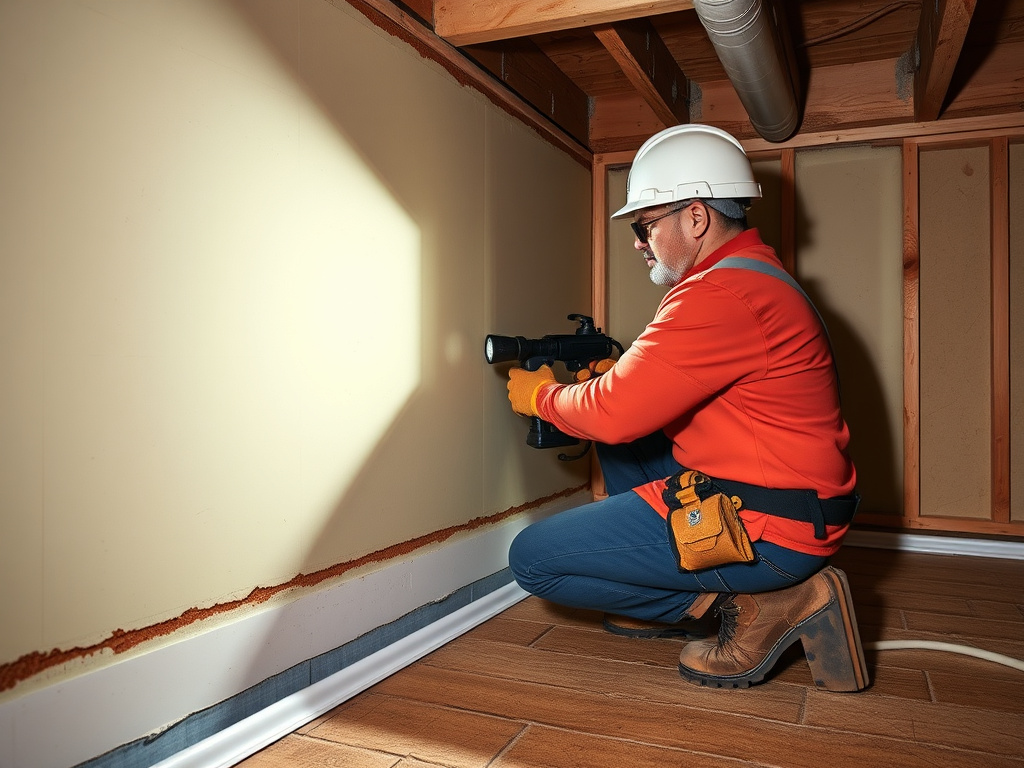
Crawlspaces don't get much attention because nobody spends time in them, but a poorly insulated, poorly sealed crawlspace affects the whole house above it. Cold air sitting under your floor makes rooms feel drafty and floors feel cold underfoot no matter how well the rest of the house is insulated. Ground moisture that isn't controlled turns old fiberglass batts into a soggy, sagging mess and creates conditions where mold takes hold on floor joists and subfloor. And when temperatures drop, exposed pipes running through an uninsulated crawlspace are a real freeze risk.
Old batt insulation stapled between floor joists is also a favorite nesting spot for rodents, and once it's compromised — wet, sagging, or torn up by pests — it stops doing its job entirely while still hiding the problem from view. Fixing a crawlspace usually means more than swapping in fresh insulation; it often means addressing the moisture source first, which is why insulation and encapsulation are frequently done together.
Why homeowners choose it
- Stops cold floors and drafty rooms caused by an unconditioned crawlspace below
- Reduces moisture buildup that leads to mold, wood rot, and musty odors
- Protects exposed plumbing from freezing during cold snaps
- Removes old, compromised insulation that may be sheltering rodents or pests
- Improves overall HVAC efficiency by conditioning the space instead of venting it to outside air
- Pairs with vapor barriers and encapsulation for a complete moisture-control system
Why crawlspaces are a moisture and mold risk
Traditional vented crawlspaces were designed to let outside air circulate underneath the house, but in practice that just invites humid air in, which condenses on cool surfaces and keeps the space damp far more often than it dries it out. Combine that with ground moisture rising up through untreated dirt or a thin, torn vapor barrier, and you get the conditions mold and wood rot need to take hold on joists, subfloor, and any insulation caught in between.
Old fiberglass batts hung between joists are particularly bad in this environment — they absorb moisture, sag out of position, and lose most of their R-value once wet, all while continuing to trap dampness against the wood above. A crawlspace insulation project almost always starts with an honest look at moisture: where it's coming from, whether the vapor barrier (if any) is doing its job, and whether the space needs to be fully encapsulated before new insulation goes in.
Rodents, old batts, and why removal often comes first
Batt insulation sagging out of the joist bays in a crawlspace is one of the most common rodent-nesting situations we find. Mice and other pests tear into the material, build nests, and leave contamination behind — droppings, urine, and sometimes worse — that shouldn't just be insulated over. When we find compromised batts in a crawlspace, removal and disposal typically comes before any new insulation goes in, both for the sake of the new material's performance and for indoor air quality, since a crawlspace connects more directly to your living space than most homeowners realize.
- Sagging, wet, or torn batts are a common sign of both moisture and pest damage
- Contaminated insulation should be removed and disposed of, not insulated over
- A clean, dry crawlspace is the foundation new insulation needs to actually perform
Encapsulation and pipe protection
Insulation alone doesn't fully solve a crawlspace's problems if ground moisture and outside air are still getting in. Encapsulation — sealing the crawlspace with a heavy-duty vapor barrier on the ground and often the walls, closing vents, and sometimes adding a dehumidifier — turns a vented, damp crawlspace into a controlled, conditioned space, and it pairs directly with insulation work since both are usually done in the same visit.
For homes in colder climates, an insulated and encapsulated crawlspace also does a lot to protect exposed plumbing. A crawlspace that's still effectively outdoor air in the winter puts every pipe running through it at risk of freezing; closing that space up and insulating the perimeter or the floor above keeps temperatures in a safer range and is one of the more overlooked ways to prevent a burst-pipe repair bill.
Ideal for
- Homes with cold floors or drafty rooms directly above the crawlspace
- Crawlspaces with visible moisture, standing water, or musty smells
- Old, sagging, or rodent-damaged batt insulation between floor joists
- Homeowners who've had frozen or burst pipes in a crawlspace before
- Anyone planning a crawlspace encapsulation and wanting insulation done as part of the same project
What affects the cost
Crawl Space Insulation questions, answered
Sagging batts have usually lost their grip because of moisture, age, or pest damage, and once that happens they're not providing meaningful R-value anymore. In most cases, yes, it needs to be removed and replaced, and it's worth having a contractor check for moisture or rodent activity at the same time.
It depends on how much moisture is present. If your crawlspace is dry and well-ventilated with no history of mold or standing water, insulation alone may be sufficient. If there's regular condensation, dampness, or a musty smell, encapsulation addresses the root moisture problem that will otherwise keep damaging new insulation.
Yes. Insulating and sealing the crawlspace keeps temperatures closer to conditioned indoor air instead of near-outdoor levels, which significantly lowers the risk of exposed pipes freezing during cold weather. Pipe wrapping in the same project adds another layer of protection.
Sagging or torn insulation, visible droppings, chewed wiring, or a persistent odor are all common signs. A contractor doing an insulation assessment will typically flag pest activity during the same visit, since it directly affects what needs to be removed before new material is installed.
Crawl Space Insulation done right, the first time
Crawl Space Insulation isn't a commodity — the result depends entirely on how carefully it's planned and installed for your specific project. We assess what the space actually needs, prep it properly, and install to your target R-value, so the work delivers the comfort and energy savings it's supposed to. No shortcuts, no builder-grade rush.
We work with homeowners, property managers, and container-conversion builders nationwide, and we'll help you check what current rebate or weatherization-assistance programs apply to your project. Every job starts with a free, no-pressure quote.
Just as important, we treat every project like the system it is. Insulation, ventilation, and air sealing (or, for a container, vapor sealing) all interact, and getting one right while ignoring the others leaves comfort and savings on the table. When we scope your crawl space insulation, we look at how it fits the whole picture — so the finished result performs the way it should and actually lowers the bill you feel every month. That whole-project mindset, plus honest advice about what your space truly needs, is what our clients count on us for.
Free assessment
We evaluate your project and give you a clear, itemized quote.
Expert install
We prep and install your crawl space insulation to spec — clean and on schedule.
Savings you can feel
Lower energy bills, a more comfortable space, and honest guidance on any rebates you may qualify for.
Related services
Ready for a free crawl space insulation quote?
Tell us about your home and we'll put together a clear, no-pressure quote — plus walk you through the weatherization rebates you may qualify for.