Insulation Removal & Replacement
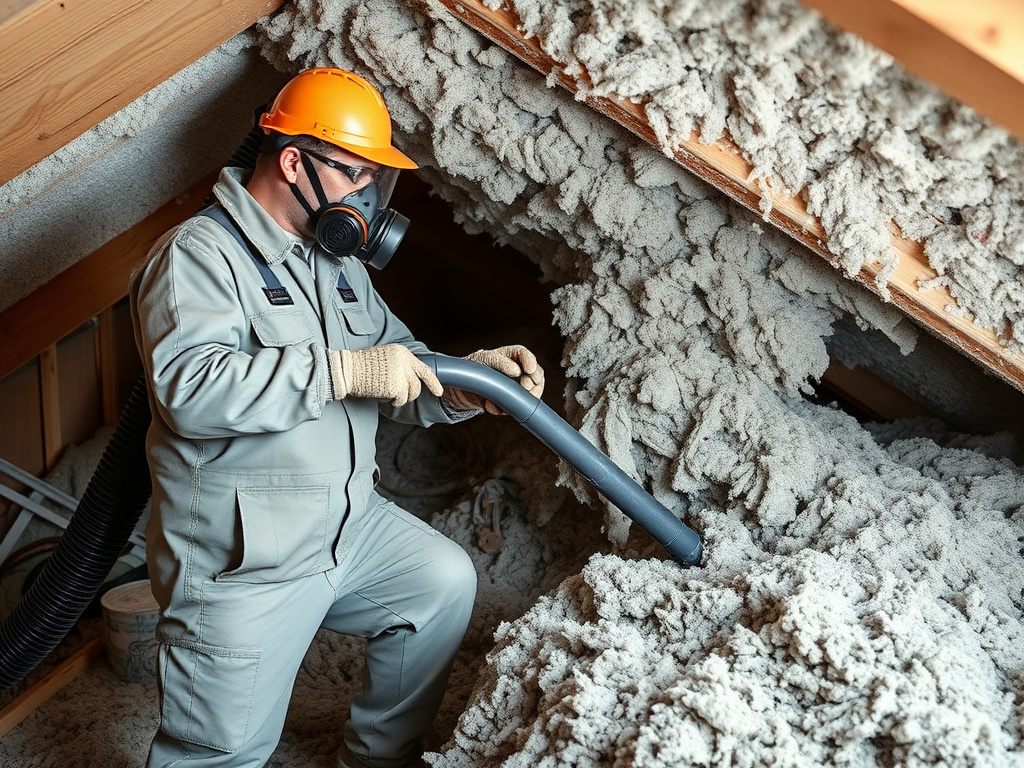
Vacuum extraction removal of contaminated, rodent-damaged, water-soaked, or simply worn-out old insulation — the step that has to happen before a re-insulation job can actually deliver its rated performance.
New insulation installed on top of old, damaged material almost never performs the way it's supposed to. Compressed batts, settled loose-fill, rodent nesting material, and water-soaked cellulose all drag down R-value long before you add a single new layer on top — and stacking new insulation over a contaminated base just traps the problem under fresh material instead of solving it. If the goal is a re-insulation project that actually hits its target R-value and stays odor- and pest-free, the old material has to come out first.
We remove attic, crawl space, and wall insulation using commercial vacuum extraction equipment built for the job — not a shop-vac and a shovel. That means loose-fill and blown material get pulled out through sealed hose runs with minimal dust and debris tracked through the rest of the house, contaminated material gets bagged and hauled off correctly, and the space is left clean and ready for new insulation, air sealing, or whatever comes next.
Why homeowners choose it
- Removes contaminated, rodent-damaged, or water-damaged insulation that's actively costing you R-value
- Vacuum extraction pulls settled loose-fill and debris without spreading contamination through the home
- Clears the way for new insulation to hit its full rated R-value instead of compressing over old material
- Eliminates the odor, allergens, and pest attractant that old contaminated insulation leaves behind
- Proper bagging and disposal keeps contaminated material contained during the job, not tracked through the house
- Often the missing first step in insulation upgrades that never delivered the comfort improvement they promised
Why old insulation has to come out before new insulation goes in
Insulation loses R-value when it's compressed, wet, or contaminated — that's not a minor efficiency hit, it's the material failing to do its job. Layering new insulation over a compromised base doesn't fix any of that; it just adds a fresh layer sitting on top of a problem that's still there. Wet or contaminated material underneath can keep transferring moisture and odor into the new insulation above it, and rodents that already found the space comfortable once will often re-nest in a fresh layer just as readily as the old one.
That's why we treat removal as a distinct first step rather than an upsell — before we quote a re-insulation project, we look at what's actually in the space and tell you honestly whether it needs to come out or whether a top-up over sound material is a reasonable option.
- New insulation over a contaminated base traps the problem, it doesn't solve it
- Wet or compressed material has already lost most of its rated R-value
- Odor and moisture can migrate into fresh insulation laid on top
- Rodents re-nest in new material just as readily as old material if the space isn't addressed
Vacuum extraction: the safe way to remove loose-fill and blown-in material
Loose-fill and blown-in insulation — cellulose, fiberglass, or older vermiculite-style products — can't be safely shoveled out by hand without kicking up dust and debris throughout the attic or crawl space and, often, into the living space below. We use commercial insulation-removal vacuums that pull material through a sealed hose run directly into an external containment bag or truck-mounted collection unit, keeping the removal process contained instead of airborne.
That containment matters most when the material is contaminated with rodent droppings, mold, or pest debris, since disturbing it without proper extraction is exactly how contamination spreads into ductwork, wall cavities, and the rest of the house.
Contamination, safety, and disposal done right
Crews working a contaminated attic or crawl space wear proper respiratory and skin protection, and we seal off the work area from the rest of the home before extraction starts — attic hatches, HVAC returns near the work zone, and any open access points get covered so debris and odor don't spread while we're working. Removed material is bagged on-site and hauled off for disposal rather than left in a pile on the property.
Once the space is cleared, we do a final check for missed contamination, chewed wiring, or damaged framing before anything new goes back in, and we'll flag anything outside the scope of insulation work — like active pest entry points — that needs to be handled before the space is closed back up.
Ideal for
- Attics with visible rodent droppings, nesting material, or chew damage in the insulation
- Homes with a history of roof leaks, plumbing leaks, or flooding that soaked the insulation
- Attics or crawl spaces with a persistent musty or animal odor
- Homeowners planning a re-insulation project who don't actually know what's up there now
- Older homes with insulation that's visibly compressed, discolored, or falling apart
What affects the cost
Insulation Removal questions, answered
If the existing material is wet, compressed, or contaminated, yes — new insulation laid on top won't fix any of those problems and can end up compromised itself. If the old insulation is simply thin but otherwise sound, a top-up is often a reasonable option, which is something we evaluate before recommending removal.
We seal off the work area, use protective equipment, and extract the material with commercial vacuum equipment that contains debris in a sealed hose and collection system rather than disturbing it loose in the space. Contaminated material is bagged and hauled off, not left exposed.
It depends mainly on square footage, contamination level, and access. A straightforward attic clearing costs less than a heavily contaminated space that also needs sanitizing. We give a firm quote after seeing the space, not a phone estimate.
Most single-attic or single-crawl-space removals are completed in a day. Larger homes, heavier contamination, or combined attic-plus-crawl-space jobs can take longer, and we'll give you a real timeline after assessing the scope.
We contain the work area and control dust and debris, so most homeowners stay in the home without issue. If contamination is severe — heavy mold or a large rodent infestation — we'll tell you upfront if it's worth being elsewhere while we work.
Insulation Removal done right, the first time
Insulation Removal isn't a commodity — the result depends entirely on how carefully it's planned and installed for your specific project. We assess what the space actually needs, prep it properly, and install to your target R-value, so the work delivers the comfort and energy savings it's supposed to. No shortcuts, no builder-grade rush.
We work with homeowners, property managers, and container-conversion builders nationwide, and we'll help you check what current rebate or weatherization-assistance programs apply to your project. Every job starts with a free, no-pressure quote.
Just as important, we treat every project like the system it is. Insulation, ventilation, and air sealing (or, for a container, vapor sealing) all interact, and getting one right while ignoring the others leaves comfort and savings on the table. When we scope your insulation removal, we look at how it fits the whole picture — so the finished result performs the way it should and actually lowers the bill you feel every month. That whole-project mindset, plus honest advice about what your space truly needs, is what our clients count on us for.
Free assessment
We evaluate your project and give you a clear, itemized quote.
Expert install
We prep and install your insulation removal to spec — clean and on schedule.
Savings you can feel
Lower energy bills, a more comfortable space, and honest guidance on any rebates you may qualify for.
Related services
Ready for a free insulation removal quote?
Tell us about your home and we'll put together a clear, no-pressure quote — plus walk you through the weatherization rebates you may qualify for.